
Things to Do in Port Louis in March
March weather, activities, events & insider tips
Shoulder Season · Good Value
March Weather in Port Louis
Long-run averages for March
88°F (31°C)
High Temp
74°F (23°C)
Low Temp
3.3 inches (84 mm)
Rainfall
79%
Humidity
19
Rainy Days
13
Sunny-Day UV
⚠ Cyclone season extends through April, and while March storms are less frequent than in January or February, late-season tropical depressions can still bring sustained winds and heavy rain lasting 24 to 48 hours. Monitor the Mauritius Meteorological Services alerts daily. When a Class 2 cyclone warning is issued, all outdoor activities cease and public transport stops.
⚠ UV levels in March are extreme. Cloud cover does not meaningfully reduce UV exposure at this latitude, and sunburn can develop in under 20 minutes of direct midday exposure. Apply high-factor sunscreen before leaving your accommodation and reapply after sweating or rain.
⚠ Localised flooding occurs in the low-lying streets near the harbour and around the bus terminal after heavy downpours. Drainage in parts of central Port Louis has not kept pace with development, and a 30-minute cloudburst can leave intersections under 15 cm (6 inches) of water. Avoid walking through floodwater, which mixes with street runoff.
Is March Right for You?
Weigh the advantages and considerations before booking
Advantages
- + March rainfall drops sharply from February's 6.3 inches (160 mm) to 3.3 inches (84 mm), marking the turn toward the drier half of the year. The showers that do come tend to arrive in short, theatrical afternoon bursts that clear within thirty minutes and leave the Moka Range behind Port Louis looking freshly scrubbed against electric-blue skies. You get the warmth of the wet season without the relentless soaking of January and February.
- + Two major celebrations land in March. Independence Day on March 12 fills the Champ de Mars with parades, sega dancing, and the sort of communal energy the city rarely shows tourists, while Holi brings clouds of coloured powder to neighborhoods across Port Louis over a weekend that typically falls mid-month. Both are participatory. Nobody will mind you joining in.
- + Ocean temperatures around Port Louis hover near 28°C (82°F) in March, which is about as warm as Mauritian waters get. Visibility off the northwest coast tends to be strong between storms, making this one of the better months for reef snorkeling day trips that launch from the capital's harbor area. The water feels like bathwater, and you can stay in for hours without a wetsuit.
- + March sits in a pricing sweet spot. The Christmas and New Year rush is two months gone, European school holidays have not yet started, and the late-cyclone-season anxiety keeps the most cautious travelers away. Accommodation rates across Port Louis have generally softened from their December peaks, and popular day-trip boats that require two-week advance booking in January often have same-week availability.
Considerations
- − Cyclone season officially runs through April, and while March storms are less frequent than in January or February, they are not unheard of. A tropical depression passing within a few hundred kilometres (around 200 miles) of Mauritius can pin you indoors for a full day, cancel all boat excursions, and turn Port Louis's low-lying streets near the harbour into ankle-deep wading pools. Travel insurance that covers weather disruption is not optional.
- − Nineteen days with measurable rain means you will get rained on, even if most showers are brief. The humidity at 79% makes the intervals between downpours feel thick and heavy, and walking the streets around the Central Market at midday, when temperatures sit near 31°C (88°F) with saturated air, is uncomfortable. By 1 PM, the pavement radiates heat upward and you can feel it through your shoes.
- − Port Louis largely empties on Sundays. The Central Market shuts, most shops in Chinatown close, and the waterfront area takes on a hollow, echoing quality that is the opposite of its weekday chaos. If your schedule puts a Sunday in Port Louis, plan for a day trip out of the city or you will find yourself wandering largely deserted streets wondering where everyone went.
Best Activities in March
Top things to do during your visit
March hits Port Louis as a turning point. The capital's wet season is loosening its grip. Rainfall drops sharply from February's downpours to roughly half that volume, averaging 31°C highs and 23°C lows that keep the air thick and warm against your skin well past sundown. Afternoon showers still roll through. Sudden curtains of rain hammer the corrugated rooftops of the Central Market and send vendors pulling tarpaulins over their pyramids of lychees and tamarinds. They pass quickly. The streets steam. The light softens. The harbor water takes on a deep teal cast under post-storm skies, and the smell of wet concrete mingling with frying dholl puri drifts up from the food stalls along Sir William Newton Street. This is not peak tourist season in Port Louis, and that matters. The waterfront promenade at Le Caudan feels less congested than it will in the dry months ahead. Restaurant tables along the Rue du Vieux Conseil that require reservations in August or September stand open at lunch. Locals are deep in their working rhythms. The port hums with container traffic. Office workers crowd the roti shops at noon. The Champ de Mars racecourse sits quiet between meets. The city feels like itself rather than a performance of itself, which is exactly when its character is sharpest: the Tamil kovils on Royal Road glowing under strings of electric bulbs, the muezzin's call echoing off the stone walls of the Jummah Mosque, the clatter and shout of fish sellers at the quayside as the morning catch comes in. Port Louis in March is the city at its most honest, still warm enough to wilt your collar by mid-morning, but with enough breaks in the rain to make a full day of walking the old quarters comfortable if you start early. For anyone wondering whether March is worth the trip to Mauritius, the answer hinges on what you want from Port Louis. You will not get the bone-dry clarity of September or October. You will get a capital city running at its natural speed, rain that comes and goes in thirty-minute episodes rather than all-day gray, and the particular pleasure of eating grilled marlin on the waterfront while warm drops patter on the awning above your head.

FULL DAY TAXI ONLY to VALLÉ OR CASELA.
day_tripA full-day private taxi excursion from Port Louis to either the Casela Nature Parks or the volcanic terrain of the Vallée de Ferney, this trip hands you a driver who knows the switchback roads threading through the sugarcane plateau of western Mauritius. The asphalt narrows between walls of green cane rustling in the trade wind. The sweet, slightly fermented scent of cut stalks hangs in the air. The route to Casela climbs into the Black River Gorges foothills, where Java deer browse in clearings visible from the road, and the parks themselves spread across hillsides alive with the calls of Mauritius kestrels and pink pigeons. Choosing the Vallée instead takes you southeast into indigenous ebony forest where the canopy blocks out the March heat and the undergrowth smells of damp leaf mould and wild guava.
A private vehicle with a knowledgeable local driver is the most practical way to reach either park from Port Louis, covering ground that public transport handles poorly and on your own schedule.
Insider tip: Ask your driver to stop at a roadside stall in Flic-en-Flac on the return for a gâteau piment. The crisp, turmeric-yellow lentil fritters sold hot from the oil are better here than anywhere in the capital.
This month: March rainfall is roughly half of February's, making trail conditions in both Casela and Vallée de Ferney noticeably drier underfoot than earlier in the wet season.

South Mauritius Scenic and Cultural Tour
guided_experienceThis guided circuit through southern Mauritius pulls you out of Port Louis and into a landscape that feels like a different country entirely. The raw, wind-scoured coastline around Gris Gris where waves crash against black basalt cliffs and salt spray mists your face. The sacred lake of Grand Bassin sitting in a dormant volcanic crater ringed by Hindu shrines and the lingering smoke of incense offerings. The Chamarel earth formations where exposed volcanic soil bakes in bands of ochre, rust, violet, and slate under the open sun. The cultural thread running through the day connects Creole, Tamil, and Bhojpuri Mauritius in ways that staying in Port Louis alone cannot.
The south coast's geology and sacred sites are impossible to appreciate from photographs. The scale of Grand Bassin's crater and the heat radiating off the Chamarel sands demand physical presence.
Insider tip: Wear shoes you can get wet. The Rochester Falls stop involves scrambling over slick basalt where the river spray keeps the rocks perpetually damp.

Creole Culinary Workshop
foodA hands-on Creole cooking class rooted in the domestic kitchen traditions of Mauritius, where you will grind fresh turmeric and green chili into a rougaille paste by hand, the sharp sting of the capsaicin rising from the mortar as you pound. The dishes are the ones that Mauritian families eat at home: vindaye with its mustardy tang and vinegar bite, daube of octopus slow-cooked until the tentacles turn silky, cari poulet built on a base of fried onions darkened to nearly black. Port Louis is the right place for this. The city's Central Market supplies the coriander, curry leaves, and fresh ginger that are the backbone of Creole cooking, and the workshop connects those raw ingredients to the finished plates in a way no restaurant meal can.
Creole cuisine is the edible expression of Mauritius's layered immigrant history. Learning to cook it reveals the logic behind the food in a way that eating it alone never will.
Insider tip: Request the seafood-focused menu option if available. The techniques for preparing octopus and smoked marlin are specific to the island and harder to replicate at home without guidance.

Private Airport/hotel Transfers
otherPrivate airport transfers between Sir Seewoosagur Ramgoolam International Airport and hotels in Port Louis cover roughly forty-five kilometers of motorway that cuts through sugarcane fields stretching flat to the horizon on both sides. A pre-booked driver waiting in the arrivals hall with your name eliminates the taxi queue. A relief after a long-haul flight into the warm, heavy air that hits you the moment the terminal doors slide open. The drive itself offers your first glimpse of Mauritius outside the airport perimeter: the sharp green geometry of cane plots, the Moka mountain range rising ahead with clouds draped across its ridgeline, and the gradual thickening of traffic and roadside commerce as you approach Port Louis from the south.
Arriving into an unfamiliar city in the March heat with luggage is the wrong moment to negotiate. A confirmed private transfer removes the friction entirely.
Insider tip: Confirm your pickup time accounts for the actual terminal exit process at SSR Airport, which can run thirty to forty minutes after landing due to immigration queues, when multiple international flights arrive within the same window.

Mauritius Guided South Tour (Private)
guided_experienceA private guided tour of southern Mauritius that takes the coastal road from Port Louis down past Mahébourg and along the wind-battered south shore, where the island drops its resort composure and turns wild. The itinerary threads together the Trou aux Cerfs crater in Curepipe, a symmetrical volcanic cone with ferns climbing its inner walls and a view across the central plateau that on clear March mornings reaches all the way to the northern lagoons, with the colored earth at Chamarel and the tea plantations of Bois Chéri, where the air carries the tannic, slightly smoky scent of drying leaves. Having a private guide means stops happen when something catches your eye: a roadside fruit vendor selling jamrosa still warm from the sun, or a viewpoint above the Black River Gorges where long-tailed tropicbirds wheel below you.
A private guide reshapes the south-island circuit from a checklist into a conversation. Local knowledge fills in what signage and guidebooks leave out.
Insider tip: Ask your guide to include a stop at La Rhumerie de Chamarel for a tasting. The agricultural rum made from estate-grown cane has a grassy, unrefined character that disappears in the blended exports.

Mauritius Guided North Tour (Private)
guided_experienceThis private guided tour covers the northern reaches of Mauritius from Port Louis, through the botanical gardens at Pamplemousses where giant Victoria amazonica water lilies float on still ponds that smell of warm mud and chlorophyll, past the sugar museum at L'Aventure du Sucre where the industrial archaeology of colonial-era mills sits alongside working cane-processing equipment, and out to the northern coastline where the lagoon water is shallow enough to wade a hundred meters from shore and still feel warm sand between your toes. The north is where Mauritius puts its gentlest face forward. The light is softer than the south coast's glare. The shoreline curves rather than crashes. The towns of Grand Baie and Trou aux Biches carry a quiet, low-rise ease that contrasts with Port Louis's density.
The north concentrates Mauritius's colonial botanical heritage and its calmest swimming lagoons into a single day's circuit. Two aspects of the island that Port Louis itself cannot show you.
Insider tip: At Pamplemousses, skip the main gate path and enter through the side entrance near the lily pond. You reach the oldest specimen trees first, before the midday tour groups arrive.
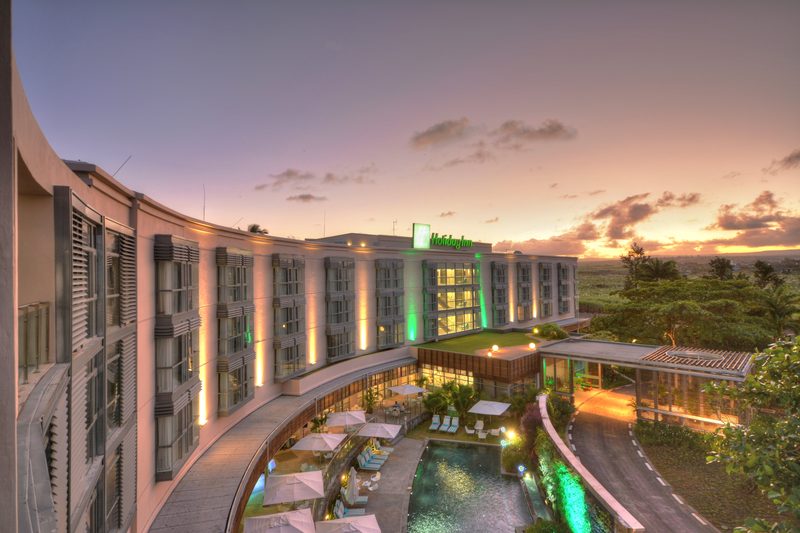
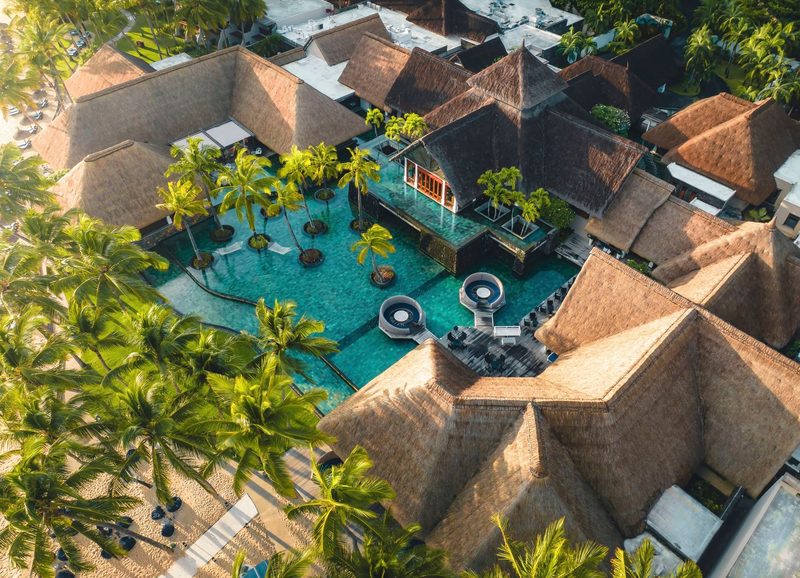
Where to Stay in Port Louis in March
Hand-picked hotels across price tiers for March travellers.
Public Holidays in March
Dates that affect opening hours, transport and crowds
Maha Shivaratri
Observed nationwide as a public holiday. Date calculated from the national holiday calendar.
Eid al-Fitr
Observed nationwide as a public holiday. This date depends on observation rather than a fixed calendar, so confirm it locally closer to the time. Date not yet confirmed.
Independence and Republic Day
Observed nationwide as a public holiday. Date calculated from the national holiday calendar.
Independence and Republic Day
Observed nationwide as a public holiday. Date calculated from the national holiday calendar.
Ugadi
Observed nationwide as a public holiday. Date calculated from the national holiday calendar.
Packing Checklist
Bookmark this page — your progress is saved between visits
Need the full list with shopping links?
Climate-specific gear, brand recommendations, and what to leave at home.
View Port Louis Packing List →Essential Tips
Insider knowledge and common pitfalls to avoid
Insider Knowledge
The Central Market has two faces. The ground floor facing Farquhar Street is where tourists are steered, and the prices reflect it. Walk through to the back exit on Queen Street and you will find the same spices, vanilla, and woven bags sold at local rates. The vendors on the tourist side know exactly what they are doing. They are good at it. The ones in the back are selling to Mauritian home cooks who would laugh at the markup.
Fort Adelaide, also called La Citadelle, is the only viewpoint in Port Louis where you can see the entire natural amphitheatre of mountains that rings the city. In March, go between 6:30 and 7:30 AM when the light is low and golden and the humidity has not yet formed a white haze over the harbour. By 10 AM the heat shimmer off the corrugated roofs below turns the view into a smear. The fort itself is a squat, solid structure built by the British in the 1830s. There is almost no shade inside the walls. Go early or not at all.
The Caudan Waterfront looks like the obvious dinner spot, and it is fine for a drink at sunset. The better Creole and Indo-Mauritian food is in the streets south of the market around Corderie Street and Desforges Street. Look for the places where the lunch crowd is entirely office workers in Monday-to-Friday clothes. The rougaille de poisson (fish in tomato, ginger, and thyme sauce) served from a lunchtime counter with no menu in English is likely to be the best meal you eat in Port Louis.
If March 12 falls on a weekday, much of Port Louis shuts down for Independence Day. Banks close. Government services stop. Even some restaurants take the day off. But the Champ de Mars celebrations are worth building your itinerary around. The mistake is treating it as a lost day. The sega performances and the atmosphere of an entire city celebrating in one park are the kind of experience you cannot buy a ticket to anywhere else.
Avoid These Mistakes
Planning outdoor activities between noon and 3 PM. Port Louis sits in a natural bowl surrounded by mountains that trap heat and humidity, and in March the midday hours are oppressive. Locals disappear indoors after lunch. The tourists wilting on the Caudan Waterfront boardwalk at 1 PM with red faces and empty water bottles are always the ones who did not plan around the heat. Front-load your day. Start at 7 AM. Be indoors or underwater by noon. Go back out after 4 PM.
Assuming Port Louis is a beach city. It is not. Port Louis is a working capital with a commercial harbour, government buildings, and a market. The nearest swimmable beaches are at least 20 minutes north toward Balaclava and Trou aux Biches. Travelers who book accommodation in Port Louis expecting to walk to the beach are disappointed every time. Use the city as a cultural base and take day trips to the coast.
Ignoring cyclone advisories. By March, most travelers assume the worst of the cyclone season has passed, and statistically they are usually right. But a late-season tropical system can still form, and when Mauritius issues a Class 2 warning, everything closes and you are expected to stay indoors. Travelers who did not check the Mauritius Meteorological Services forecast before booking a boat trip or hiking excursion end up stranded with a wasted day and no refund. Check the forecast every morning. It takes thirty seconds and it is important.
Ready to plan your trip to Port Louis?
Now that you've got the research covered, here's where to go next.
Explore More Activities in Port Louis
Didn't see anything interesting yet?
Browse Viator's full catalog of tours, day trips, food experiences, and private guides in Port Louis.
See All Port Louis Tours on Viator