Things to Do in Port Louis
Tamil spice, Creole fire, Chinese steam, French stone, one harbor
Top Things to Do in Port Louis
Find activities and tours you'll actually want to do. Book through our partners -- no booking fees.


Plan Your Trip
Essential guides for timing and budgeting
Climate Guide
Best times to visit based on weather and events
View guide →Day Trips
The best excursions and nearby destinations worth the journey
Explore day trips →Where to Stay
Best neighbourhoods, hotel picks, and booking tips
Find hotels →Travel Insurance
What's required, what coverage matters, and how to get a quote
Read guide →What to Pack
Climate-specific gear, essentials, and what to leave at home
See packing list →When Should You Visit Port Louis?
Tap a month for weather, crowds, and highlights
View full year-round climate guide →Your Guide to Port Louis
About Port Louis
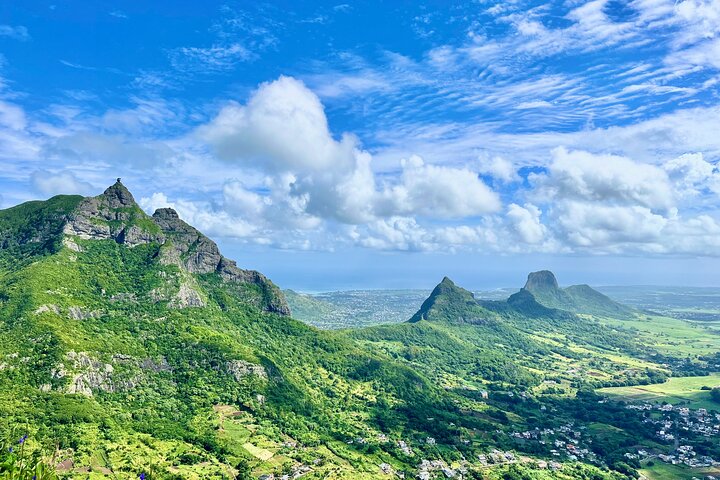
Port Louis greets you with turmeric and harbor salt long before you glimpse a single building. Warm air spills off the Moka Range. It pools between mountains and waterfront, carrying fried chickpea batter from the dholl puri carts that crowd the Central Market. This is Mauritius's capital, laid out by the French in the 1730s and then remade by successive waves of Indian, Chinese, and African migration.
The Central Market is the engine. Under its tin roof, Tamil vendors pile curry leaves and turmeric root beside Creole women selling vanilla pods and palm-heart pickles. The air is thick with cardamom and dried fish. You taste the market before you buy. Walk north along Royal Road into Chinatown. Cantonese signs appear.
Steam from pork-bun vendors fogs shopfronts unchanged for decades. The Jummah Mosque anchors the opposite end of the commercial district. Its pale green dome catches the afternoon light above fabric shops on Rue Royale. Climb to Fort Adelaide, the stone citadel the British raised on the hill in the 1830s. From here the panorama clicks into place: harbor cranes, temple spires, mosque domes, and the Moka Range jagged against the sky.
The price is the heat. From November through March, Port Louis traps humidity like a lid on a pot. By early afternoon the streets empty as everyone slips indoors. On Sundays the city shuts down, surprising visitors. But on Saturdays the Champ de Mars racecourse roars. The grandstands fill with a fervor closer to football than horse racing. The street food alone justifies the trip from any beach resort on the island.
Travel Tips
Transportation: Port Louis is compact. You can cross it on foot in under an hour. The heat makes that less appealing, from November through March. Buses leave the central terminal near the Caudan Waterfront for every major town on the island. They cost almost nothing by any standard. Routes are not well marked. Schedules are approximate. Look for the destination on the front windshield, not at posted timetables. Taxis never use meters anywhere in Mauritius. Settle the fare before you get in. For the airport run to and from SSR International, book a hotel transfer in advance. It is almost always smarter than hailing a cab on arrival, where the markup for tourists is steep and predictable.
Money: The Mauritian Rupee is all you need. ATMs cluster around the Caudan Waterfront and along Sir William Newton Street. Most machines will cover several days of spending in a single withdrawal. Cards work at hotels, larger restaurants, and the Caudan shops. The Central Market, street vendors, and neighborhood stores are cash-only. That is where you will want to spend most of your time. Exchanging currency at the airport kiosk is convenient. The rates are noticeably worse than the exchange bureaus downtown near the market. One detail worth knowing: Mauritius produces some of the finest vanilla in the world. Buying direct from market vendors costs a fraction of what the same pods fetch exported abroad.
Cultural Respect: Mauritius stacks Hindu, Muslim, Chinese, and Catholic traditions within a few city blocks. Port Louis is where that proximity is tightest. Remove shoes before entering any Hindu temple or kovil. Cover shoulders and knees at the Jummah Mosque. During Cavadee in January or February, devotees carry ornate kavadi structures through the streets. Processions can close major roads for hours. Photographing the ceremony is welcome from a respectful distance. The easiest way to connect is through food. Accept a cup of alouda, the rose-syrup milk drink with basil seeds sold at nearly every market stall in Port Louis. Conversation follows naturally. Mauritians are, for whatever reason, proud of their food and happy to talk about it at length.
Food Safety: Street food in Port Louis is not a risk to manage. It is a reward to chase. The dholl puri vendors near the Central Market have been making the same split-pea flatbread stuffed with butter bean curry and tangy tomato rougaille for generations. High turnover keeps everything fresh through the morning. Gateaux piments, deep-fried chili-and-lentil fritters from glass-fronted carts, come out of the oil too hot to hold. They crumble with a sharp, peppery bite that lingers. Follow the crowds. A vendor ringed by Mauritian office workers at lunch is always a safer bet than an empty restaurant with laminated menus. Tap water in Mauritius is treated and safe. Most people still default to bottled.
When to Visit
Mauritius floats just above the Tropic of Capricorn, and Port Louis, squeezed between jagged mountains and a working harbor, magnifies whatever the season throws at it. The island divides cleanly into two moods: a hot, sticky summer from November through April, and a cooler, drier winter from May through October. Summer means Port Louis thermometers spike to 33°C (91°F) and the humidity makes it feel worse.
Cyclone season stretches from January through March. Direct strikes are rare. Yet when a storm brushes past, the island simply shuts down. Flights cancel, shops board up, rain lashes sideways. If you can stand the heat, December and January gift the longest daylight and the liveliest street energy. Christmas lights mix with the Tamil Cavadee festival in this window.
Rates across the island hit their yearly peak during the December-January holidays, and the beach towns fill weeks ahead. Winter shows Port Louis at its kindest. June through September brings daytime highs around 22-25°C (72-77°F), lighter humidity, and almost no rain. The air clears enough for the Moka Range behind town to look razor sharp instead of haze-soft.
July and August draw the biggest wave of European visitors, so beach resort prices rise again and Grand Baie and Flic en Flac book up early. Port Louis itself rarely sells out, because most travelers skip the capital entirely. This keeps the city surprisingly calm even during the busiest weeks. The shoulder months hide the best value.
May and early June give you winter weather before the European rush, and September through mid-November serve warm, gentle days minus the summer steam. Accommodation across the island drops by roughly a third compared to peak periods. Maha Shivaratree, one of the largest Hindu festivals outside India, lands in February or March.
Thousands march to Grand Bassin, a volcanic crater lake in the interior, and processions snake through Port Louis for days beforehand. Diwali in October or November sets the city glowing with oil lamps and the snap of firecrackers, around Central Market. Want the Champ de Mars horse racing season? It runs from March through early December with Saturday fixtures.
The grandstands roar, the street vendors sizzle, and the whole scene is worth planning a weekend around.
More Ways to Experience Port Louis
Tours, day trips, and local experiences curated by on-the-ground operators.
Didn't see anything interesting yet?
Browse Viator's full catalog of tours, day trips, food experiences, and private guides in Port Louis.
See All Port Louis Tours on Viator